

IBN24 Desk: Raipur (chhattisgarh) In a first-of-its-kind initiative, Durg district has introduced a gender-balanced counselling system within a women’s police station, marking a shift in how family disputes are addressed. The initiative provides a shared platform where men, women and senior citizens can present their concerns on equal terms, ensuring that voices often left unheard are given due attention.
The Family Counselling Centre at the Mahila Thana in Sector-6, which was earlier limited largely to complaints from women, has expanded into a more inclusive forum. It now addresses concerns of men and senior citizens with equal attention, reflecting changing family dynamics and the need for a more balanced approach.
Set up in line with High Court directions, the centre has evolved over time to respond to the shifting nature of domestic disputes. The adoption of gender-balanced counselling ensures that all parties are heard fairly, allowing space for dialogue before conflicts escalate.
In recent years, it has become evident that men also approach counselling centres with concerns related to mental, financial and marital stress. A key element of the system is the inclusion of a male counsellor. This has helped create a more balanced environment, enabling a better understanding of issues that may otherwise remain unaddressed, and strengthening the overall counselling process.
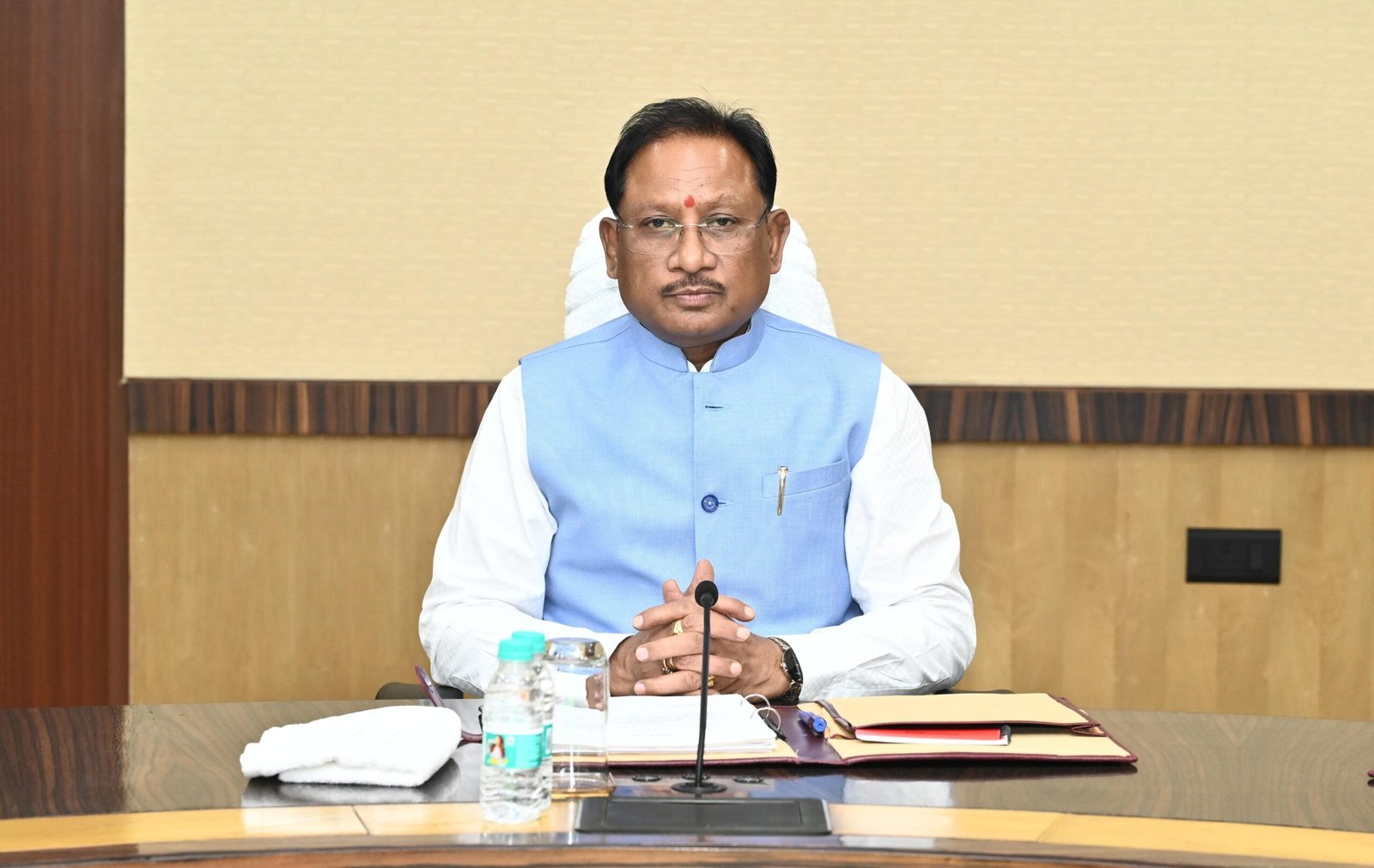
Chief Minister Vishnu Deo Sai described the initiative as “the need of the hour,” stating that counselling-based intervention can help resolve disputes at an early stage and strengthen harmony within families, contributing to social stability.
Durg Senior Superintendent of Police Shri Vijay Agrawal said, “The process of communication and counselling has proved effective in addressing conflicts between spouses before they take a serious turn. It is not only reducing disputes but also helping prevent the breakdown of families.”
The system also includes a ‘Senior Citizen Support Bench’, comprising retired officials, psychologists and social workers. This unit addresses cases involving elderly citizens with sensitivity and care.
Complaints received at the centre present a serious picture of social realities. Cases include harassment by sons and daughters-in-law, pressure over property, forced placement in old-age homes, physical violence for not providing money for alcohol, denial of food, and eviction from homes, with such incidents now being reported more openly.
So far, around 200 complaints have been registered at the centre, of which nearly 130 have been resolved. The figures underline the role of timely dialogue and intervention in preventing disputes from escalating.
Durg’s ‘Counselling-First’ approach is being seen as a first-of-its-kind model in states like Chhattisgarh. By bringing men, women and senior citizens onto a common platform, it offers a more balanced method of resolving family disputes. The initiative, centred on dialogue, is helping address conflicts at an early stage while also preventing family breakdown. It is now being viewed as a model that other states may consider adopting.

